Call Tracker
See what makes your phone ring.
Every call tied back to the campaign, keyword, and ad that drove it. Call recording, SMS, and real time reporting included.
Unlimited users. No contracts.
What Is White Labeling? Definition, Examples, and How Agencies Use It
White labeling is when one company makes a product or service and another company rebrands it and sells it as its own. The maker stays invisible. The reseller gets a finished product, their name on it, and none of the cost of building it. You’ve bought products like this hundreds of times without noticing, and if you run an agency, you can sell them too.
What does white label mean?
A white label product is built by one company and branded by another. The name comes from the idea of a plain white label on the packaging, ready for the seller’s logo.
The maker handles production, updates, and the underlying quality. The reseller handles branding, pricing, and the customer relationship. The end customer usually never knows a third party was involved, and that’s the point: the reseller’s brand carries the whole experience.
How white labeling works
The arrangement has three parties:
- The producer builds the product or delivers the service, and sells it wholesale.
- The reseller puts their brand on it, sets their own price, and sells it to their customers.
- The end customer buys from the reseller and experiences it as the reseller's product.
The reseller’s margin is the difference between the wholesale cost and the price their brand can command. The producer wins by selling through many resellers at once instead of marketing to every end customer directly.
White label vs private label
The two terms get mixed up constantly. The difference is who the product is made for.
A white label product is generic. The producer makes one product and many resellers sell that same product under different brands.
A private label product is made exclusively for one seller, often to that seller’s specification. A grocery chain’s store brand made to its own recipe is private label. A generic software dashboard that fifty agencies each brand as their own is white label.
With services rather than physical goods, this model is almost always what’s on offer, because a service platform can serve every reseller from the same underlying product.
White label examples
Consumer goods. Store-brand products are the classic example. Retailers rarely run factories; a third-party manufacturer produces the goods and the store’s label goes on the package.
Software. White label SaaS lets a company sell software it didn’t build. The platform provider runs the code and the servers, and the reseller’s customers log into a dashboard carrying the reseller’s logo, colors, and domain.
Agency services. White label PPC, SEO, link building, web design, and reporting are all established markets. An agency sells the service under its own name and a specialist provider quietly does the work, or provides the software that delivers it.
Why businesses white label
For the reseller, the appeal is speed and focus. You can add a new product line this month instead of spending a year building one. You keep your customers under your brand instead of referring them to someone else’s. And you turn a service you’d otherwise recommend for free into revenue.
For the producer, white labeling is distribution. Every reseller is a sales channel that brings its own audience.
The tradeoff is control. A reseller depends on the producer’s quality and uptime, so the producer choice matters more than the markup. When the product fails, it fails under your brand.
White labeling for marketing agencies
Agencies are the biggest adopters of the model, for a structural reason: clients want one accountable partner, but no agency can build every tool in-house.
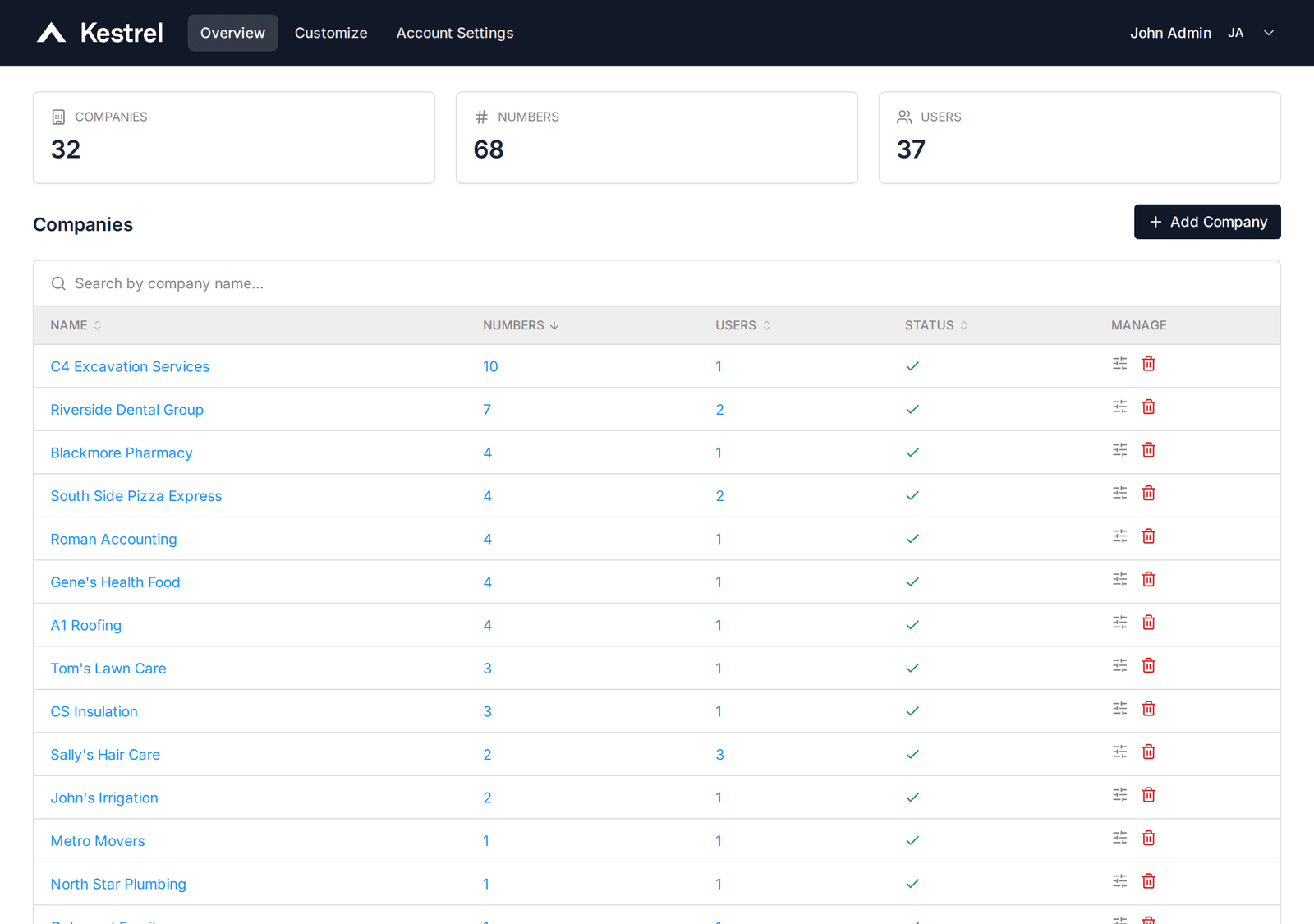
The agency playbook usually includes some mix of:
- Reporting dashboards that present campaign results under the agency's own brand.
- PPC or SEO fulfillment delivered behind the agency's account team.
- Software the agency resells to clients as part of its service, like landing page builders or call tracking.
Each one deepens the client relationship. The client sees a single branded system from the agency they hired, and the agency earns margin on work or software it didn’t have to build.
White label call tracking, the version we know best
Call tracking is a natural fit for this model. Clients running ads want to know which campaigns make their phone ring, and the agency wants to be the one showing them, under its own name. That’s exactly what white label call tracking does.
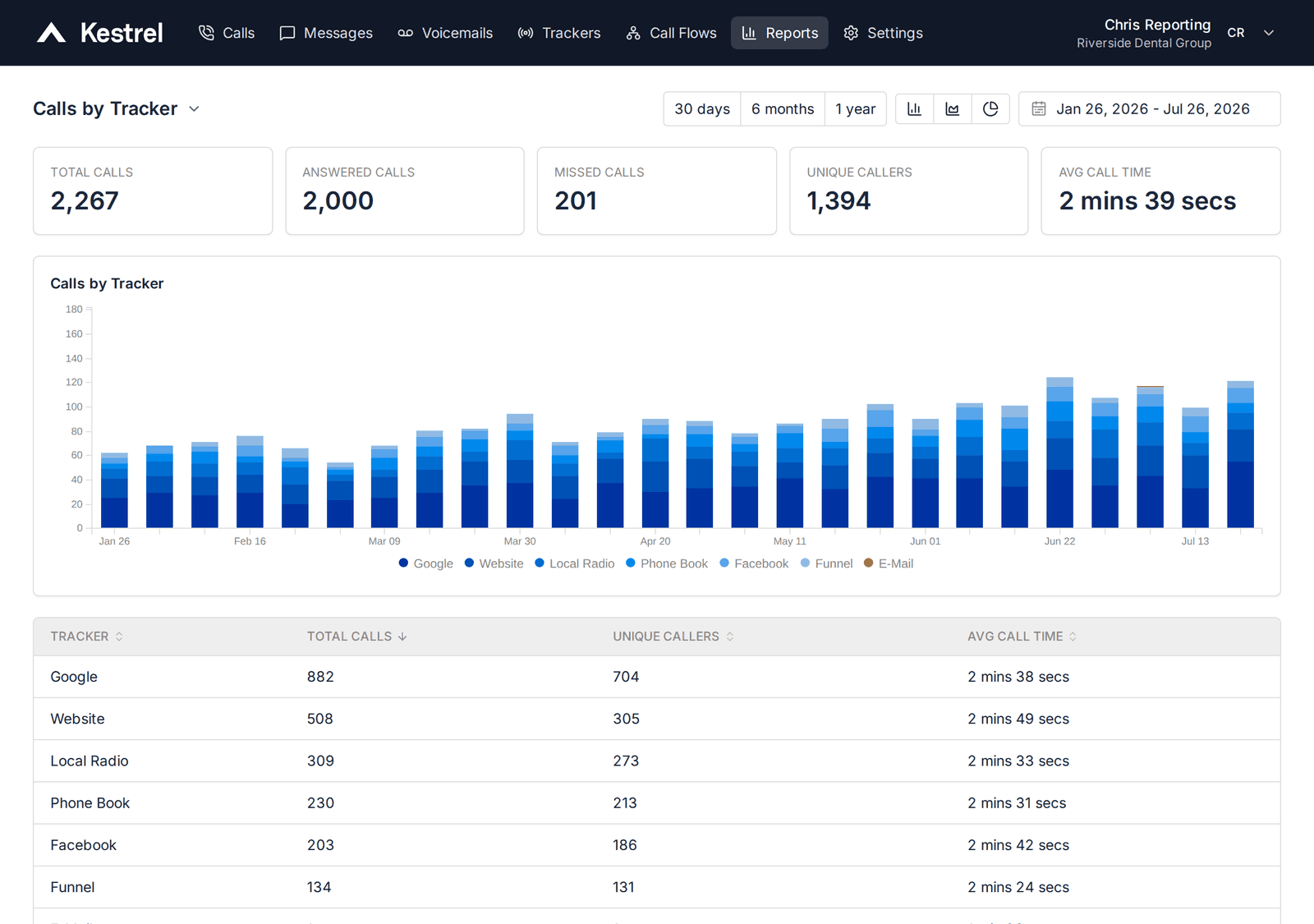
With Call Tracker’s white label branding, your clients log into a call tracking dashboard with your logo, your colors, and your custom domain. You can manage every client from one account, invite unlimited users, and present call reports as part of your own service. It’s included on the Agency plan at no extra charge beyond the plan itself, and there are no account minimums. See the pricing breakdown for what’s included, or read how call tracking helps smaller agencies compete with much larger ones.
Frequently Asked Questions
What is white labeling in simple terms?
One company builds it, another company brands it and sells it. The buyer experiences it as the seller’s product.
What’s the difference between white label and private label?
White label products are generic and resold by many brands. Private label products are made exclusively for one seller.
Is white labeling legal?
Yes. It’s an ordinary commercial arrangement covered by the contract between producer and reseller, and it’s standard practice in retail, software, and agency work.
How do agencies make money with white labeling?
They buy the product or service at a wholesale price, sell it under their brand at their own price, and keep the difference, along with a stickier client relationship.
If you run an agency, the fastest way to see white labeling in practice is to try it with your own clients’ call data. Start a 14-day trial of Call Tracker, turn on your branding, and put your logo on your first client dashboard this week.

Alex Phelps
Published on