Call Tracker
See what makes your phone ring.
Every call tied back to the campaign, keyword, and ad that drove it. Call recording, SMS, and real time reporting included.
Unlimited users. No contracts.
Landscaping Marketing: How to Get More Clients and Contracts
Landscaping marketing has a rhythm no other trade quite matches. Demand explodes in spring, your best work sells itself in photos, and the real money is in recurring maintenance contracts that bill all season. So a smart landscaping marketing plan does three things: capture the seasonal surge, show off visual proof, and turn one-time jobs into recurring clients. Most of those clients call before they commit, which makes tracking your calls the key to spending wisely. Here are the strategies that work, and how to measure them.
Why Landscaping Marketing Is Different
Landscaping is seasonal and visual, and it splits into two very different jobs: high-value installs (patios, plantings, hardscape) and recurring maintenance (mowing, cleanups, seasonal care). The installs bring big one-time revenue; the maintenance contracts bring predictable income. Your marketing has to feed both, and because demand is concentrated in a few months, knowing which channels produce real clients matters even more.

1. Show Your Work: Photos and Portfolio
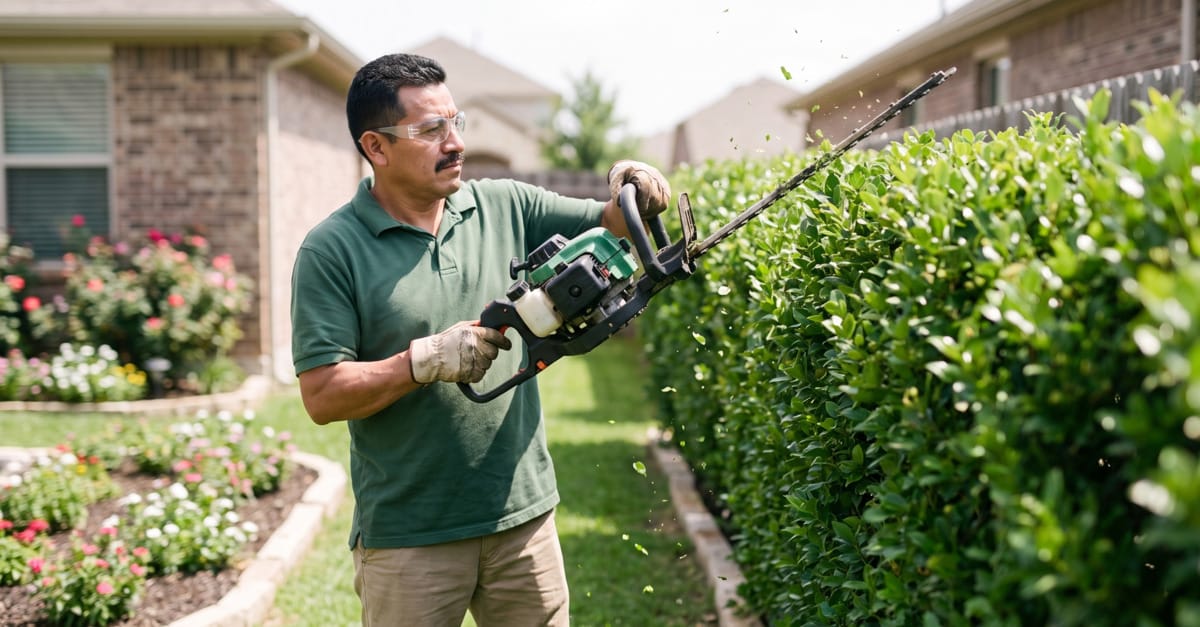
Nothing sells landscaping like before-and-after photos. A strong visual portfolio on your website, Google Business Profile, and social media does more to win high-value installs than any description. Photograph every project and feature your best transformations everywhere a prospect might look.
2. Local SEO and Google Business Profile
Landscaping is local, so ranking for “landscaping [city]” and “lawn care near me” is foundational. Keep your Google Business Profile complete with service areas, project photos, and reviews, and build pages for your core services. This is where most local clients start their search.
3. Seasonal Campaigns
Lean into the calendar: spring cleanups and plantings, summer maintenance, fall leaf removal, and winter services where you offer them. Ramp your ad spend and messaging ahead of each season so you are visible right when demand spikes. Seasonal timing is one of the most effective landscaping marketing strategies because it matches your message to real, timely need.

4. Promote Recurring Maintenance Contracts
Because recurring maintenance is the steady backbone of the business, your marketing should actively push it, not just one-off jobs. Offer seasonal packages and ongoing care plans, and pitch maintenance to every install customer. A yard you just transformed is the easiest recurring contract you will ever sign.

5. Google Ads for High-Intent Searches
Target terms like “landscape design [city],” “patio installation,” and “lawn care service near me.” Send the clicks to a fast page with your portfolio and an obvious way to call, and track which keywords produce real clients. See how to track which Google Ads drive calls.
6. Track Every Call to Spend Smart in a Short Season
When most of your revenue is earned in a few months, wasted ad spend hurts more. Call tracking assigns a unique number to each source, so every inbound call is tied to the campaign that drove it. Add call recording to see which calls became signed jobs and contracts, so you can pour budget into what works during your busiest weeks.
Building a Landscaping Marketing Plan
Run the channels above, then use real-time call analytics to see which produce installs and recurring contracts, and reallocate toward them. In a seasonal business, spending efficiently during the surge and converting installs into recurring clients is what turns a busy spring into a profitable year.
Frequently Asked Questions
What is the best marketing for landscaping companies?
A strong visual portfolio plus local SEO and a complete Google Business Profile, combined with seasonal campaigns, recurring-contract promotion, and call tracking.
How do landscaping companies get more clients?
Show off project photos, rank locally, time campaigns to the season, promote recurring contracts, and track which channels produce signed jobs.
How do I measure my landscaping marketing?
Call tracking ties every call to its source, and recording shows which calls became installs or recurring contracts.
See Which Marketing Wins Your Contracts
In a season this short, you cannot afford to guess where your clients come from. Start a 14-day free trial of Call Tracker to attribute every call to its campaign, or see pricing.
See call tracking for Landscaping Services →

Alex Phelps
Published on